Android vs iOS: Which OS is right for you?
Over the years, the debate between Android and iOS has intensified, making it vital for you to understand the unique features each operating system offers. Android provides a wide range of devices with customizable options, while iOS boasts a seamless user experience and consistent updates. Your choice can impact everything from app availability to device performance. Whether you prioritize flexibility, security, or user-friendliness, this guide will help you navigate the decision and choose the OS that best fits your lifestyle and needs.

Key Takeaways:
- Customization: Android offers greater flexibility and personalization options for users looking to tailor their devices to their preferences.
- App Quality: iOS tends to have stricter app approval processes, often resulting in higher quality and more optimized applications for users.
- Integration: iOS devices provide seamless integration within the Apple ecosystem, making it ideal for those who already use Apple products.
Understanding the Types of Operating Systems
For those delving into the world of mobile technology, it is vital to grasp the various types of operating systems. Each system caters to different user needs and offers unique features. Primarily, there are two mainstream operating systems worth considering:
- Android - An open-source platform that allows extensive customization.
- iOS - A proprietary platform known for its streamlined user experience and security.
| Operating System | Key Features |
|---|---|
| Android | Customization, variety of devices, open-source |
| iOS | User-friendly, seamless integration, regular updates |
Android Overview
On the Android front, you’ll find a landscape that flourishes on diversity and flexibility. Android operates on various devices from numerous manufacturers, allowing users to choose from countless models, specifications, and price points. This operating system thrives on providing you the freedom to personalize your device with different themes, widgets, and apps, catering to your unique preferences.
Moreover, Android's open-source nature enables developers to create a plethora of applications, which can significantly enrich your user experience. However, with the vast array of choices comes the responsibility of being cautious, as not all apps maintain a high standard of security and quality. As an Android user, being discerning about which applications you install is vital to ensure a positive and safe experience.
iOS Overview
Any discussion surrounding mobile operating systems poignantly highlights iOS, Apple's exclusive platform. Known for its robust security features and user-friendly interface, iOS presents a polished experience that is tightly integrated with the Apple ecosystem, including hardware and software components. When you choose iOS, you benefit from regular software updates that keep your device secure and improve performance over time.
Understanding iOS means recognizing that while you gain exceptional stability and streamlined functionality, your customization options are relatively limited compared to Android. Apple places a strong emphasis on maintaining a controlled environment, which can lead to optimized performance and enhanced privacy for your data. Nevertheless, the trade-off is a more curated app selection and fewer opportunities for personalization.
Understanding the pros and cons of each platform is key to making a choice that truly fits your needs and lifestyle. With iOS, you can enjoy a highly secure environment and smooth ecosystem integration, while the Android platform offers unparalleled customization and choice at various price points.
Key Factors to Consider
Assuming you are contemplating which operating system to adopt, it’s crucial to weigh several key factors that could influence your decision. These considerations will help you align your choice with your preferences and needs:
- Device Compatibility
- User Interface and Experience
- App Ecosystem
- Privacy and Security
- Cost and Customization
Knowing these aspects will empower you to make a more informed choice about whether Android or iOS suits you best.
Device Compatibility
You will find that the device compatibility varies significantly between Android and iOS. Android is known for being more versatile, as it is compatible with a wide range of devices, including affordable options from numerous manufacturers. This provides you with the ability to choose a phone that fits your budget, design preferences, and features you prioritize. Conversely, iOS is exclusive to Apple devices, which generally come at a higher price point.
Choosing a platform that matches your preferences in device compatibility is vital. While Android offers flexibility with a variety of options, iOS guarantees a seamless experience across its limited range of devices. Therefore, understanding how much you value price, design, and specific features will help guide your decision.
User Interface and Experience
Little distinctions exist between the user interfaces and experience of both Android and iOS, as each platform has its unique aesthetic and navigation style. Android offers a customizable experience, allowing you to modify the home screen, choose default applications, and even change the appearance without restrictions. On the other hand, iOS prides itself on efficiency, featuring a starkly simplistic design that many users find easy to navigate.
This difference results in a distinct user experience; if you prefer a hands-on approach to customizing your device, Android may appeal to you. However, if simplicity and fluidity are your top priorities, iOS stands out with its straightforward interface. Additionally, the consistent updates and cohesive design across Apple devices ensure that you can enjoy a smooth experience, irrespective of which device you use. Both operating systems have positives, but ultimately, your personal preferences in interaction and aesthetic will determine the OS that fits you best.
Pros and Cons of Android
Many users are drawn to Android due to its flexibility and customizable features, but it’s also necessary to weigh the potential downsides. To help you make an informed decision, here is a breakdown of some pros and cons of the Android operating system:
Pros and Cons of Android
| Pros | Cons |
|---|---|
| Wide variety of devices | Fragmentation issues |
| High level of customization | Security vulnerabilities |
| Access to third-party applications | Less consistent user experience |
| Generally more affordable options | Bloatware on many devices |
| Google services integration | Updates can be delayed |
| Expandable storage available | Quality may vary between manufacturers |
| Multiple user accounts on tablets | Limited support for older devices |
| Numerous app choices | Inconsistent app optimization |
| Robust widgets | Performance issues on low-end devices |
| Advanced features like split-screen | Complexity for less tech-savvy users |
Advantages of Android
On your quest to find the right operating system for your needs, you might appreciate the myriad of advantages that Android offers. One significant benefit is the vast selection of devices available at various price points, enabling you to choose a phone that fits your budget without compromising on necessary features. Android also provides a high level of customization, allowing you to personalize your device in ways that make sense for you, from user interface adjustments to app placements and themes. This flexibility is particularly appealing if you enjoy having control over your technology.
Additionally, Android's integration with Google services ensures that you can access tools like Google Drive, Maps, and Assistant seamlessly on your device. Moreover, with the availability of numerous third-party applications in the Google Play Store, you're not limited to a single source for your apps. This ecosystem is designed to foster innovation, making it easier for developers to provide you with the latest tools and services for your everyday tasks.
Disadvantages of Android
Some drawbacks come along with the advantages of Android that you should consider. For instance, Android's fragmentation can lead to inconsistent performance across different devices. Updates may not be delivered uniformly, which means you could experience delays in receiving the latest security patches or features. This delay exposes your device to potential issues that are addressed in newer versions, impacting user satisfaction.
To further elaborate on the disadvantages, security vulnerabilities are a significant concern with Android due to its open ecosystem. While the variety of third-party apps enhances your choices, it also raises the risk of downloading malicious software. The presence of bloatware on many manufacturer devices can hinder user experience, leading to complications like reduced storage and slower performance. Therefore, it is necessary you weigh these potential risks against the benefits when deciding if Android is the right mobile operating system for you.
Pros and Cons of iOS
Unlike Android, iOS offers a unique blend of stability, performance, and user experience. However, it also comes with its own set of limitations that may or may not align with your needs. Understanding these pros and cons can help you determine if iOS is the right operating system for you.
Pros and Cons of iOS
| Pros | Cons |
|---|---|
| Seamless integration with Apple ecosystem | Limited device options |
| Regular software updates | Higher cost of devices |
| User-friendly interface | Limited customization options |
| Strong focus on privacy and security | Restrictions on app stores |
| Quality app selection | Less flexibility in file management |
Advantages of iOS
Even when comparing feature sets, you will find that iOS excels in several key areas. One of the primary advantages is the seamless integration with the entire Apple ecosystem, which allows you to effortlessly sync data and applications across your iPhone, iPad, and Mac. Additionally, the platform receives regular software updates, keeping your device secure and up to date with the latest features, often before competitors. The user-friendly interface is designed to be intuitive, making it easy for you to navigate regardless of your tech experience.
Apple’s commitment to privacy and security stands out as a significant advantage. With built-in privacy features and strict app vetting processes, you can feel more confident that your data is protected. Moreover, the quality of applications available on iOS is often superior, as developers tend to prioritize it due to its lucrative user base. This means you will generally have access to the latest and best apps that enhance your productivity, entertainment, or daily tasks.
Disadvantages of iOS
Cons of using iOS can be quite noticeable, especially for those who value flexibility and affordability in their devices. The limited device options mean that you might have fewer choices in terms of styles and features compared to the plethora of Android devices available. Additionally, the higher cost of iOS devices can deter budget-conscious users, as even older models may still command a premium price. It's also important to know that customizations are restricted; thus, you won’t have the same level of personalization that some Android users enjoy.
With an absence of flexibility in file management and the restriction of app sources, you may find yourself constrained when it comes to certain tasks. For instance, you can't easily transfer files from your device to a computer without specialized software, which can be frustrating. Moreover, while the limited customization options might appeal to some users who prefer simplicity, others may find it a hindrance. Understanding these limitations is important to ensure that you choose an operating system that best fits your lifestyle and preferences.
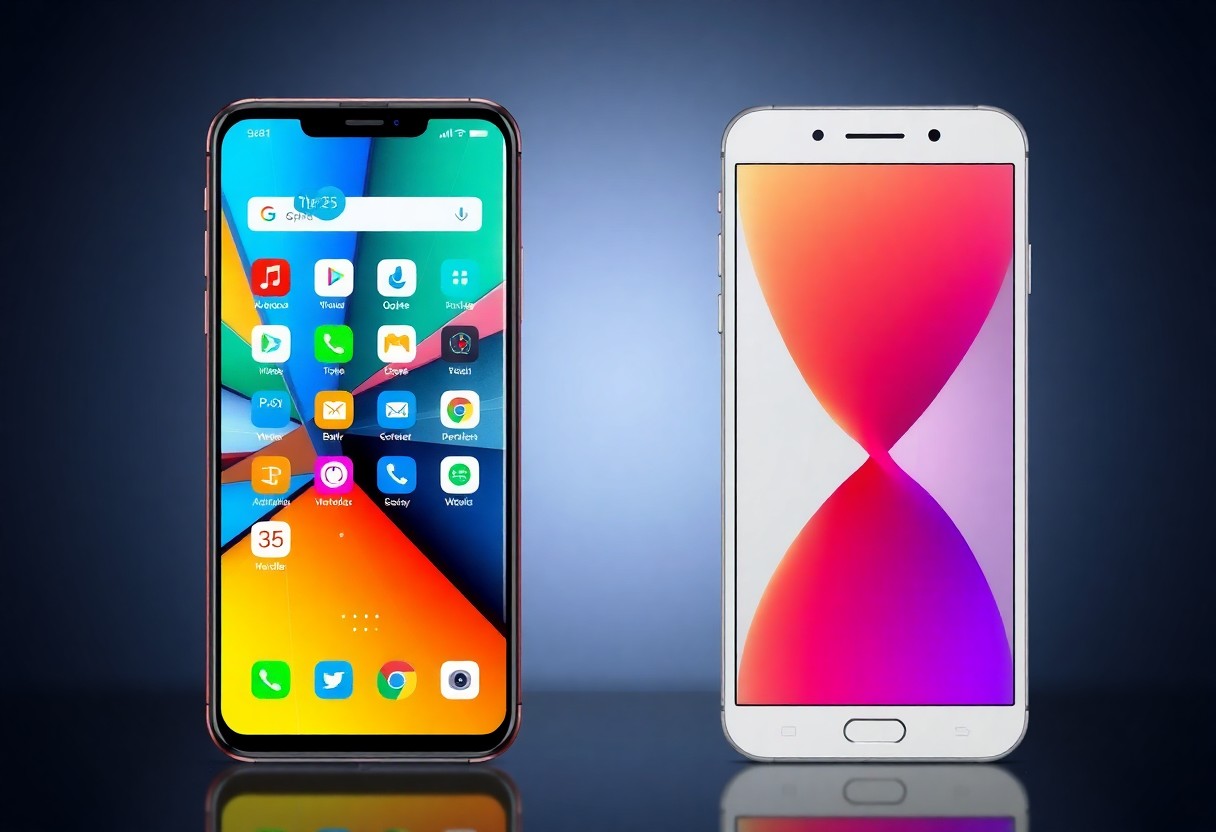
Tips for Choosing the Right OS
All selecting the perfect operating system for your needs can be a daunting task, but with the right approach, it can become much easier. Start by considering the following tips:
- Consider your usage: Are you focused on productivity, entertainment, or both?
- Look into available apps: Ensure your favorite apps are available on the OS you choose.
- Think about customization: Do you prefer a simple interface or one that allows for personalization?
- Check for hardware options: What devices are compatible with your OS preference?
- Explore security features: Are you concerned about your device's data protection?
After weighing these factors, you will find it easier to make a decision that enhances your smartphone experience.
Assessing Your Needs
The foundation of your choice lies in assessing your actual needs. Consider how you intend to use your device daily. Are you someone who heavily depends on their phone for work-related tasks, or do you primarily seek entertainment through gaming and streaming? Additionally, think about the features that matter to you, such as camera quality, user interface, battery life, and ecosystem compatibility. Understanding your priorities will aid in narrowing down your options.
Further, probe into whether you're an individual who appreciates innovation and cutting-edge technology or someone who values stability and ease of use. With Android, you may find a diverse range of devices that cater to various preferences, while iOS provides a more uniform, streamlined experience across all Apple devices. Evaluating these elements is important in making an informed choice that aligns with your lifestyle.
Evaluating Budget and Options
On shaping your final decision, it's important to evaluate your budget alongside the options available with both operating systems. If you're inclined towards iOS, you will generally find that Apple devices come at a premium price. In contrast, Android offers a wider price range, making it easier to find devices that suit different budgets. However, keep in mind that the initial purchase price might not be the only cost involved; consider ongoing expenses such as app purchases, accessories, or even subscription services.
Options and features available can significantly affect your long-term satisfaction. For instance, you might be drawn to the variety of affordable Android devices that offer solid performance and unique features. On the other hand, investing in an iOS device guarantees a certain level of quality and longevity. Evaluate your financing preferences—do you prefer purchasing outright, or are you comfortable with monthly installment plans? Your financial capability and willingness to spend will lead to a well-rounded decision on your chosen operating system.
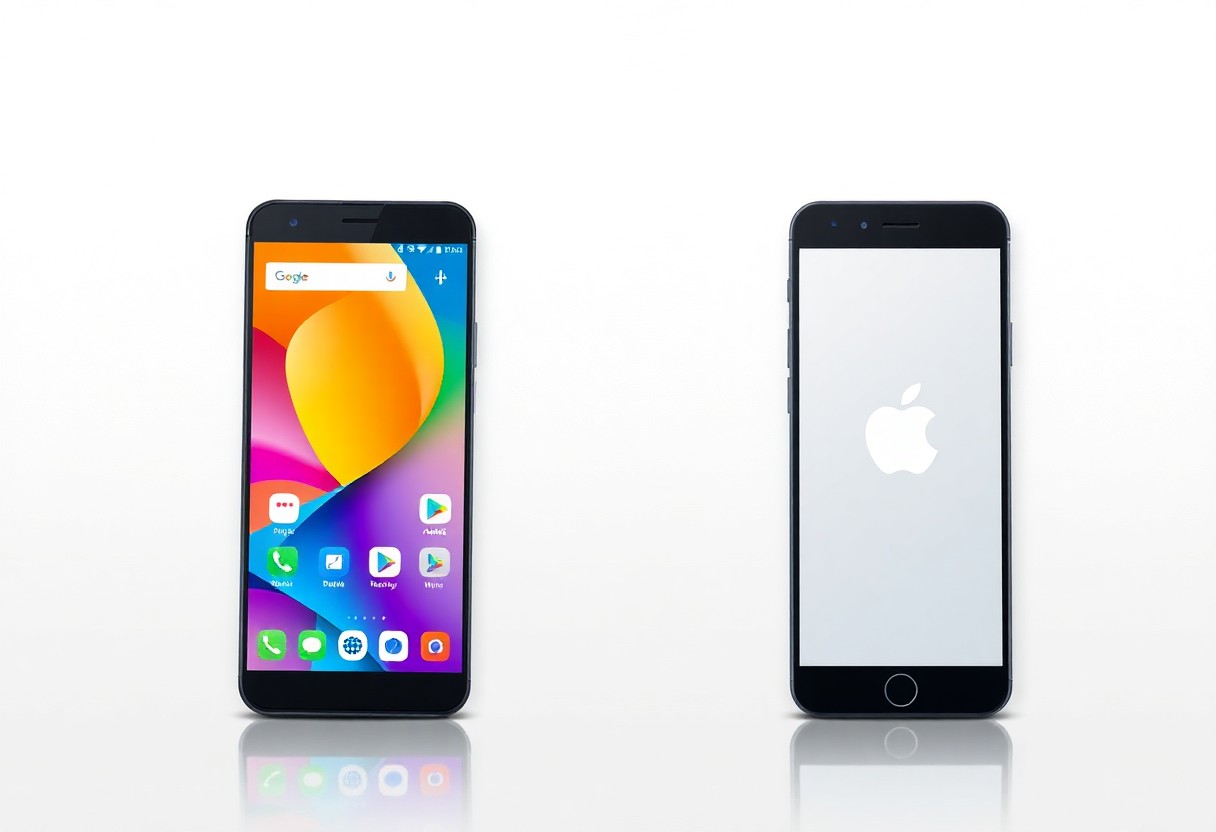
Step-by-Step Decision-Making Process
Now that you have a clearer understanding of both Android and iOS, it's time to launch on a structured decision-making process. This will help you evaluate your personal preferences and requirements before settling on an operating system. A detailed comparison can significantly simplify your choice, guiding you toward the OS that aligns with your lifestyle and needs. Here's a breakdown of the steps you should consider:
| Step | Description |
|---|---|
| 1. | Assess your priorities and how you use your smartphone. |
| 2. | Consider your budget, as this may affect your choice of hardware. |
| 3. | Examine the app ecosystems available on each platform. |
| 4. | Think about device compatibility and integration with other technology you own. |
| 5. | Explore customer support and community resources for each OS. |
Comparing Features
To make a well-informed decision, you should examine into the features offered by both operating systems. This comparison helps you understand the functional differences that may impact your user experience. Each OS has its unique strengths, which can cater to specific needs or preferences. Below is a side-by-side summary of key features that you should evaluate:
| Feature | iOS | Android |
|---|---|---|
| Customization | Limited, focused on a uniform experience | Highly customizable, various launchers and themes available |
| App Store | Apple App Store, curated selection | Google Play Store, larger variety of apps |
| Integration | Seamless with other Apple devices | Great integration with Google services |
| Security | Regular updates and strict app vetting | Varies by manufacturer but offers robust options |
Finalizing Your Choice
Features play a significant role in helping you finalize your choice between Android and iOS. Evaluate how the distinct characteristics of each platform align with your daily usage and expectations. Once you have weighed the pros and cons of both systems and reflected on how they fit into your lifestyle, it will be easier to decide. Additionally, you should consider how each OS performs with the specific devices you are interested in, as some features may only be available on particular models.
Choice ultimately comes down to your individual requirements and preferences. By thoroughly considering the key differences, app ecosystems, and your specific needs, you are better equipped to make an informed decision. If you value customization and a wide range of device options, Android might be your go-to. On the other hand, if you prioritize security and a smooth user experience across devices, iOS could be the best fit for you. Whatever your choice, ensure it aligns with how you want to engage with your technology in daily life.
Conclusion
Hence, choosing between Android and iOS ultimately depends on your personal preferences and needs. If you value customization, a wider range of devices, and a more open ecosystem, Android may be the better option for you. On the other hand, if you prioritize a seamless user experience, timely updates, and stronger privacy controls, iOS could be the ideal choice. Consider your usage patterns, app requirements, and budget to determine which platform aligns better with your lifestyle.
Additionally, it's imperative to assess how each operating system integrates with the other devices you use. If you own other Apple products or are heavily invested in Apple's ecosystem, iOS may enhance your overall experience. Conversely, if you prefer flexible compatibility with various hardware and software, Android might suit you better. Ultimately, take the time to evaluate what matters most to you, and make an informed decision that enhances your connectivity and convenience in the digital world.
OUR PICKS TO CHECK OUT
Below are our picks that we have found across quite a few reviews. As always, we try to keep the affiliate links out of our content and more towards the end of the page. If you enjoy our content, please consider supporting us by purchasing through our affiliate links if you do decide to purchase one of our recommendations!
(1) Android – Pixel 9 [while there are the Pro/XL models, we feel the standard is great for most users] (Affiliate Link)
(2) iOS – Iphone 16 [ while the pro and pro max are impressive, they are quite expensive) (Affiliate Link)
Comments
Post a Comment